
Uncategorized

NRI Property Tax Rules in India
Uncategorized

NRI Property Tax Rules in India (2026 Guide): Complete & Updated Explanation

Owning property in India as a Non-Resident Indian (NRI) comes with tax responsibilities that are often misunderstood. From rental income and capital gains to TDS and property tax, the rules can seem complex — especially when managing everything from abroad. This 2026 guide to NRI property tax rules in India simplifies everything you need to know, helping you stay compliant, avoid penalties, and manage your property efficiently. Who Is Considered an NRI for Property Tax Purposes? Your residential status under the Income Tax Act determines how your property income is taxed. You are classified as an NRI if: You stay in India for less than 182 days in a financial year, or You meet other prescribed conditions for non-resident status ⚠️ Important: Your citizenship does not matter — your residential status does. Types of Taxes Applicable to NRIs Owning Property in India NRIs must deal with three main types of taxes: Income Tax on Rental Income Capital Gains Tax on Sale of Property Local Municipal Property Tax Each has different rules and compliance requirements. 1. Income Tax on Rental Income for NRIs If your property in India is rented, the income is taxable in India. Key Rules: Rental income is taxed under “Income from House Property” Standard deduction of 30% is allowed for maintenance Interest on home loan can also be deducted (if applicable) TDS on Rental Income Tenant must deduct: 30% TDS before paying rent to NRI 💡 Example: Monthly rent: ₹50,000 TDS deducted: ₹15,000 Amount received: ₹35,000 2. Tax on Vacant Property Even if your property is vacant: It may be treated as self-occupied or deemed let-out Deemed rental income may be taxable in certain cases Proper declaration in Income Tax Return (ITR) is important. 3. Capital Gains Tax on Sale of Property When an NRI sells property in India, capital gains tax applies. Types of Capital Gains: Type Holding Period Tax Rate Short-Term Capital Gain Less than 24 months As per slab rates Long-Term Capital Gain More than 24 months 20% + indexation TDS on Sale of Property by NRI Buyer must deduct: 20% TDS (LTCG) or 30% TDS (STCG) surcharge and cess ⚠️ TDS is deducted on full sale value, not profit. 4. Municipal Property Tax (Local Tax) Apart from income tax, NRIs must pay property tax to local authorities. This includes: Annual property tax Water tax Maintenance charges (if applicable) Failure to pay can lead to: Penalties Legal notices Difficulty in selling property 5. Double Taxation Avoidance (DTAA) for NRIs NRIs living abroad may be taxed in both countries. India has DTAA agreements with many countries to prevent double taxation. Benefits: Avoid paying tax twice Claim foreign tax credit Reduce tax liability Requirements: Tax Residency Certificate (TRC) Proper documentation 6. Income Tax Return (ITR) Filing for NRIs NRIs should file ITR in India if: They earn rental income They have capital gains TDS has been deducted Total income exceeds basic exemption limit Why Filing ITR Is Important: Claim TDS refund Avoid tax notices Maintain financial records Enable smooth property transactions 7. Repatriation Rules for NRIs NRIs can repatriate funds from India, subject to conditions: Up to USD 1 million per financial year (under FEMA rules) Applicable taxes must be paid Proper documentation required This applies to: Rental income Sale proceeds 8. Key Tax Deductions Available to NRIs NRIs can claim limited deductions, including: Standard deduction (30% on rental income) Home loan interest deduction Certain deductions under Section 80C (restricted cases) However, many benefits available to residents are not applicable to NRIs. 9. Common Mistakes NRIs Make Avoid these common errors: Not filing ITR due to TDS deduction Incorrect capital gains calculation Ignoring municipal property tax Not claiming DTAA benefits Misreporting residential status These mistakes can lead to: Penalties Interest charges Income tax notices 10. How to Manage NRI Property Taxes Efficiently To stay compliant: Maintain proper income records Track rent and expenses Pay property tax on time File ITR regularly Consult tax professionals when needed Professional assistance helps avoid costly errors. Frequently Asked Questions (FAQs) Do NRIs have to pay property tax in India? Yes. NRIs must pay local municipal property tax just like resident Indians. Is rental income taxable for NRIs? Yes. Rental income earned in India is fully taxable in India. What is TDS on property sale by NRI? 20% (LTCG) or 30% (STCG) plus surcharge and cess. Can NRIs claim tax refund in India? Yes. By filing ITR, NRIs can claim refund of excess TDS. Is ITR mandatory for NRIs? Not always mandatory, but highly recommended in most cases. Final Thoughts Understanding NRI property tax rules in India (2026) is essential for managing your real estate investments efficiently. From rental income taxation to capital gains and compliance requirements, every aspect must be handled carefully to avoid penalties and maximize returns. With proper planning, documentation, and professional guidance, NRIs can manage property taxes smoothly while living abroad. Manage Your Property & Taxes Without Stress Handling property taxes, rental income, and compliance in India while living abroad can be complicated. One mistake can lead to penalties or financial loss. Our expert nri property management in delhi and complete NRI services are designed to help you manage everything from rent collection and tax coordination to legal support and reporting.

NRI Account in India
Uncategorized

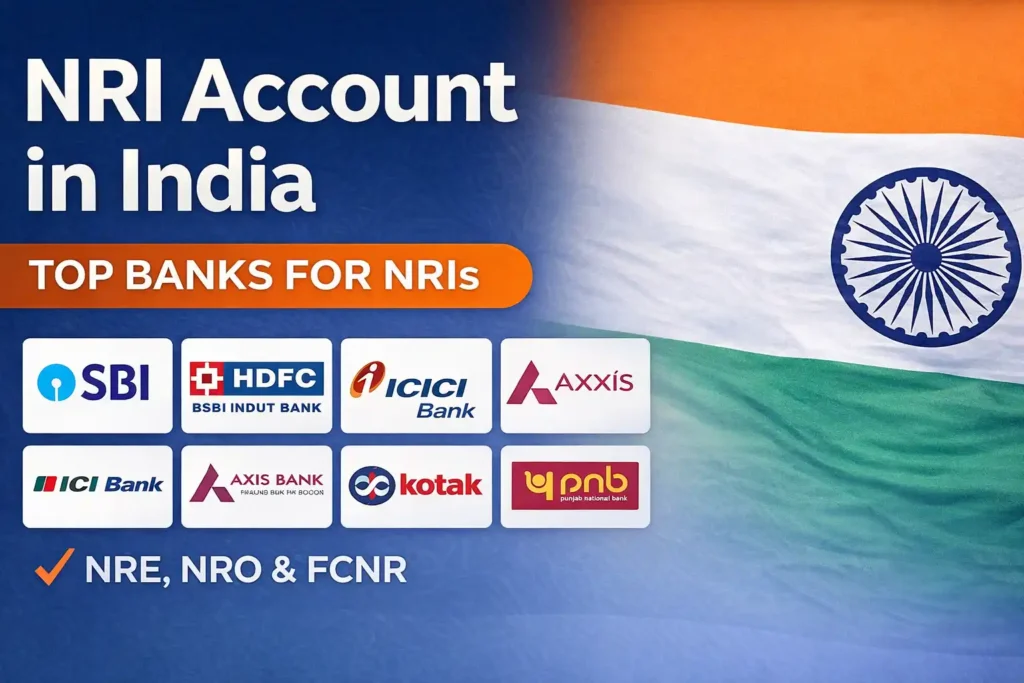
NRI Account in India: Complete Guide to Top Banks for NRIs

An NRI account in India allows Non-Resident Indians to manage income, savings, investments, and repatriation smoothly while living abroad. Choosing the right bank is critical, as service quality, digital access, and repatriation support vary significantly. This guide explains: What an NRI account is Types of NRI accounts Top banks in India for NRI accounts How to choose the best bank for your needs What Is an NRI Account in India? An NRI account is a bank account opened in India by a Non-Resident Indian to manage income earned in India or abroad, invest, and transfer funds internationally in compliance with RBI and FEMA rules. NRI accounts help with: Property transactions Rent and income management Investments and fixed deposits Family support in India Easy fund repatriation abroad Types of NRI Accounts in India 1. NRE (Non-Resident External) Account For income earned outside India Fully repatriable (principal + interest) Interest is tax-free in India 2. NRO (Non-Resident Ordinary) Account For income earned in India (rent, pension, dividends) Limited repatriation (up to USD 1 million/year) Interest is taxable in India 3. FCNR (Foreign Currency Non-Resident) Account Fixed deposits held in foreign currency Protects against exchange rate risk Fully repatriable and tax-free in India Top Banks for NRI Account in India (Trusted & Popular) Below are the top Indian banks preferred by NRIs globally, based on reliability, digital services, and overseas support. 1. State Bank of India (SBI) SBI is India’s largest public-sector bank and a top choice for NRIs seeking stability and wide branch coverage. Why NRIs Choose SBI: Strong government-backed credibility Extensive branch network across India Competitive NRI FD interest rates Easy NRE, NRO & FCNR account options Best For: NRIs investing in property, long-term savings, and government-linked schemes. 2. HDFC Bank HDFC Bank is among the most preferred banks for NRIs due to its premium service quality and digital banking. Why NRIs Choose HDFC: Excellent online & mobile banking Dedicated NRI relationship managers Fast remittance and repatriation Strong customer support for overseas clients Best For: NRIs who want smooth digital access and premium banking experience. 3. ICICI Bank ICICI Bank is known for global reach and strong overseas presence, making it ideal for NRIs living abroad. Why NRIs Choose ICICI: Presence in USA, UK, Canada, UAE Easy online account opening from abroad Comprehensive investment & insurance options Strong NRI-focused platforms Best For: NRIs looking for international connectivity and convenience. 4. Axis Bank Axis Bank offers specialized NRI services with a focus on relationship-based banking. Why NRIs Choose Axis Bank: Dedicated NRI desks Customized wealth & investment solutions Flexible NRE/NRO account options Efficient documentation handling Best For: High-net-worth NRIs and those needing personalized banking support. 5. Kotak Mahindra Bank Kotak Mahindra Bank is popular among NRIs seeking modern digital banking with investment focus. Why NRIs Choose Kotak: User-friendly digital banking platforms Attractive NRI fixed deposit options Good support for investment-linked services Transparent account management Best For: NRIs interested in wealth management and investments. 6. Punjab National Bank (PNB) PNB is a trusted public-sector option for NRIs preferring traditional banking with wide reach. Why NRIs Choose PNB: Strong presence in North India Competitive NRI deposit schemes Reliable public-sector operations Suitable for conservative banking needs Best For: NRIs preferring public-sector reliability over premium features. Comparison: Best Banks for NRI Account in India Bank Best Known For Ideal For SBI Stability & reach Property & long-term holding HDFC Bank Premium digital banking Seamless online access ICICI Bank Global presence Overseas convenience Axis Bank Personalized services High-value clients Kotak Bank Investment focus Wealth-oriented NRIs PNB Traditional banking Conservative users Documents Required to Open NRI Account Generally required documents include: Valid Indian passport Overseas visa / residence permit Overseas address proof Indian address proof (if available) PAN card (mandatory) Recent photographs Documentation may vary slightly by bank. How to Choose the Best Bank for NRI Account in India When selecting a bank, NRIs should consider: Country of residence Frequency of remittances Digital banking quality Customer support responsiveness Investment and FD options Repatriation ease There is no single best bank — the right choice depends on your financial goals. Common Mistakes NRIs Make While Opening Accounts Opening wrong account type (NRE vs NRO) Ignoring repatriation limits Choosing bank without overseas support Not updating residential status Missing tax implications Professional guidance helps avoid these issues. FAQs: NRI Account in India Can NRIs have multiple NRI accounts in India? Yes, NRIs can open accounts with multiple banks. Is interest on NRE account taxable? No, NRE interest is tax-free in India. Can NRIs open account without visiting India? Yes, most top banks allow online or overseas opening. Is PAN mandatory for NRI accounts? Yes, PAN is required for most transactions. Final Words Choosing the right NRI account in India and the right bank ensures smooth financial management, tax compliance, and peace of mind while living abroad. Top banks like SBI, HDFC Bank, ICICI Bank, Axis Bank, Kotak Mahindra Bank, and PNB offer reliable NRI banking solutions — the key is selecting what aligns best with your needs. Living Abroad? Let Experts Handle India Matters for You From property and documentation to compliance and coordination, our dedicated NRI services and legal services in India ensure transparency, accuracy, and peace of mind, no matter where you live.

Top 10 Tourist Places in India
Uncategorized

Top 10 Tourist Places in India: A Complete Guide for Your Next Adventure

India isn’t just a country it’s an experience that stays with you long after you’ve left. Whether you’re an NRI reconnecting with your roots or an international traveler discovering India for the first time, this diverse land offers something extraordinary at every turn. From snow-capped Himalayan peaks to sun-kissed beaches, from ancient temples to bustling modern cities, India’s tourism landscape is as varied as it is captivating. Having guided countless travellers through India’s most iconic destinations, I’ve seen firsthand how the right planning can transform a good trip into an unforgettable journey. Let me walk you through the top 10 tourist places that should be on every traveler’s India itinerary. Top 10 Tourist Places in India 1.  Jaipur, Rajasthan – The Pink City’s Royal Charm Jaipur welcomes you with terracotta-pink buildings that glow beautifully under the desert sun. This isn’t just Instagram-worthy aesthetics-there’s real history here. The Amber Fort sits majestically on a hilltop, and you can ride an elephant up the cobblestone path (though many now prefer the jeep for ethical reasons). Why Visit: The City Palace still houses the royal family, and you can walk through their private museums. Hawa Mahal’s honeycomb facade was designed so royal women could observe street life without being seen-a fascinating glimpse into India’s past. Best Time: October to March. Summer temperatures can hit 45°C, which makes sightseeing genuinely exhausting. Travel Tip: Start early morning at Amber Fort before crowds arrive. The light and sound show there in the evening is worth staying for. 2.  Varanasi, Uttar Pradesh – The Spiritual Heartbeat Varanasi is intense. The narrow lanes, the constant hum of temple bells, the Ganga Aarti at Dashashwamedh Ghat- it’s sensory overload in the best way possible. This 3,000-year-old city is where spirituality isn’t practiced, it’s lived. Why Visit: Taking a sunrise boat ride on the Ganges is transformative. You’ll see the city wake uplocals bathing, priests performing rituals, and the golden light reflecting off the ghats. It’s chaos and calm coexisting perfectly. Best Time: November to February. Post-monsoon clarity makes for stunning photography, and the weather is pleasant for walking tours. Travel Tip: Hire a local guide for the gali (lane) walks. They’ll take you to hidden temples and explain the rituals you’re witnessing. Also, try the famous Banarasi paan before you leave. 3.  Goa – Where India Meets the Beach Goa is India’s favorite escape, and for good reason. Portuguese colonial architecture meets laid-back beach culture, creating a vibe that’s uniquely Goan. North Goa brings the party energy (Anjuna, Baga), while South Goa offers quieter, pristine beaches (Palolem, Agonda). Why Visit: Beyond beaches, explore Old Goa’s UNESCO churches, take a spice plantation tour, and don’t miss the seafood. The prawns curry and fish recheado are legendary. Best Time: November to February. Avoid monsoons (June-September) when many beach shacks close. Travel Tip: Rent a scooter for ultimate freedom. The coastal roads are scenic, and parking at beaches is easier than in a car. 4.  Agra, Uttar Pradesh – Beyond the Taj Mahal Yes, the Taj Mahal is breathtaking. Shah Jahan’s monument to love lives up to every bit of hype. But Agra has more-the massive Agra Fort rivals any European castle, and Fatehpur Sikri (a short drive away) is a perfectly preserved Mughal ghost city. Why Visit: The Taj changes color throughout the day. Morning gives you soft pink hues, afternoon brings stark white brilliance, and sunset bathes it in golden warmth. Best Time: October to March. Taj Mahal is closed on Fridays. Travel Tip: Book sunrise tickets online in advance. The morning light is magical, and crowds are thinner. Keep 3-4 hours for a proper visit-rushing the Taj is a travesty. 5.  Kerala – God’s Own Country Lives Up to the Name Kerala’s backwaters are what dreams are made of. Imagine floating in a traditional houseboat through palm-fringed canals, stopping at villages where life moves at its own pace. Add to this the hill stations of Munnar, the beaches of Kovalam, and Ayurvedic wellness retreats. Why Visit: The houseboat experience in Alleppey is unmatched. You’ll eat freshly cooked Kerala meals on board while drifting past paddy fields and coconut groves. It’s the most relaxed you’ll ever feel. Best Time: September to March. Monsoons (June-August) are beautiful but not ideal for backwater cruises. Travel Tip: Book houseboats through reputable operators, not random agents at bus stands. Splurge a bit-the difference between budget and premium boats is significant. 6.  Udaipur, Rajasthan – The City of Lakes Udaipur is Rajasthan at its most romantic. The City Palace overlooks Lake Pichola, where the Lake Palace hotel appears to float on water. The evening boat ride with the palace lit up against the night sky is straight out of a fairy tale. Why Visit: Unlike other Rajasthani cities, Udaipur has a softer vibe. The lakes cool the desert air, and there’s an artistic soul to the city-miniature paintings, traditional music, and lakeside cafes. Best Time: September to March. The lakes are fuller post-monsoon, making the scenery more dramatic. Travel Tip: Stay in the old city area (near Jagdish Temple) for walkable access to main attractions. The rooftop restaurants here have stunning palace views. 7.  Rishikesh, Uttarakhand – Adventure Meets Spirituality Rishikesh sits at the Himalayan foothills where the Ganges is still turquoise and rushing. It’s yoga capital meets adventure sports hub-you can meditate at an ashram in the morning and go whitewater rafting in the afternoon. Why Visit: The Ganga Aarti at Parmarth Niketan ashram is deeply moving. For adventure seekers, the rapids here are thrilling but safe enough for beginners. The iconic Laxman Jhula suspension bridge offers panoramic valley views. Best Time: February to May and September to November. Avoid monsoon season when river activities are suspended. Travel Tip: If you’re into yoga, book a multi-day residential course at one of the ashrams. The immersive experience is more valuable than drop-in classes. 8.  Hampi, Karnataka – Ancient Ruins with Unreal Landscapes Hampi doesn’t look real. Giant boulders balance impossibly, ancient temples rise from banana plantations, and medieval ruins sprawl across 26 square kilometers. This UNESCO site was once the capital of the Vijayanagara Empire-one of the

Uncategorized

Why India Is Becoming the Top Medical Choice for NRIs?

India is becoming the top medical choice for NRIs because it combines three powerful advantages: economics, expertise, and emotional comfort. Many NRIs face high medical costs, long waiting times, or limited insurance coverage in countries like the US, UK, Canada, and parts of Europe, so India’s significantly lower prices for consultations, surgeries, and diagnostics make a huge difference to their finances. Cost advantage without cutting quality For many NRIs, the cost gap between treatment abroad and in India is impossible to ignore. Estimates often show 60–90% savings on major procedures in India compared to the US and Europe, while day-to-day care like consultations and diagnostics are also a fraction of Western prices. For example, media reports highlight that a basic doctor visit in the USA can cost the equivalent of tens of thousands of rupees, versus roughly a few hundred to low thousands in India, and a single night in an American hospital can cost over ₹2.5 lakh compared with under ₹10,000 in India. This price difference is especially compelling for uninsured or underinsured NRIs, or those facing high deductibles and co-pays in their country of residence. At the same time, India is no longer just a “cheap option”; top private hospitals now have international accreditations, advanced technologies, and specialists trained or experienced abroad, giving NRIs confidence that they are not compromising on quality when they fly home for treatment. Faster access to appointments and procedures, along with treatment packages, teleconsultations, and NRI-friendly health insurance, also reduces friction and uncertainty in planning cross-border care. On the human side, being treated in India means they can speak in their own language, be surrounded by family, eat familiar food, and recover in a culturally comfortable environment, which feels far more reassuring than facing illness alonein a foreign system even if that foreign system is technically advanced. All of this together is turning India from a backup option into the first, strategic choice for many NRIs when it comes to major treatments, second opinions, and even routine health checkups. Friends of NRI helps simplify the entire process connecting you with the right hospitals, arranging consultations, and ensuring seamless medical care whenever you choose India for treatment.

Scroll to Top