What Are the Problems That NRIs Face in Marriages?
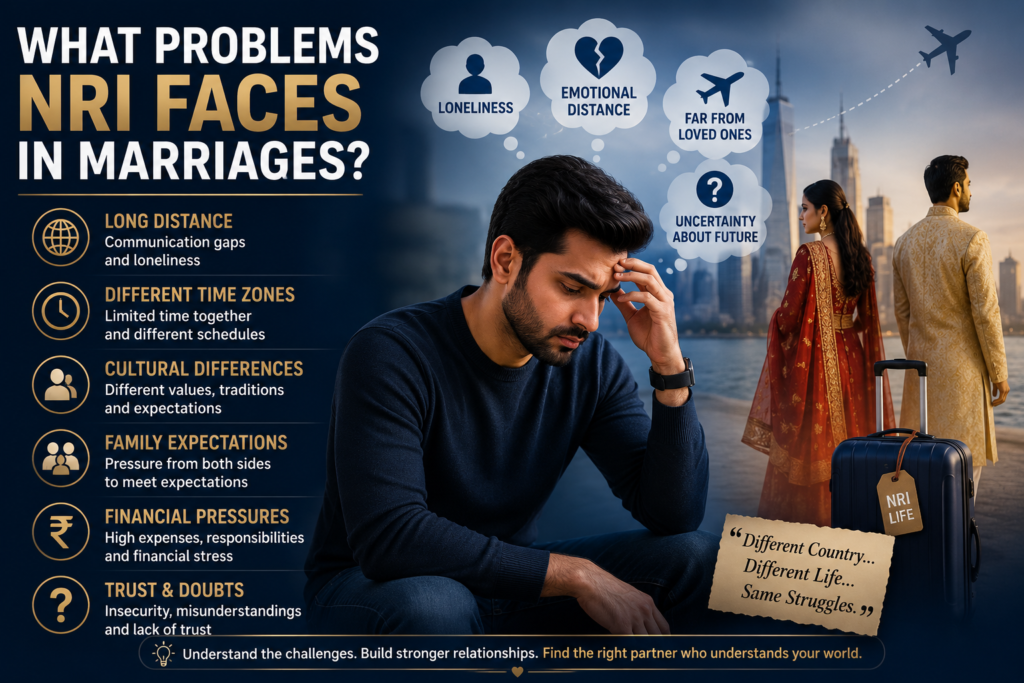
Marriage is one of the most important decisions in life, especially in Indian families where emotions, traditions, and family values play a major role. Many people consider marrying an NRI a dream because it is often connected with better career opportunities, financial stability, and an international lifestyle. However, behind this attractive image, many NRIs and their families face serious marriage-related challenges. Cultural differences, legal issues, emotional stress, and communication gaps can create problems that affect both partners and their families. Today, trusted NRI marriage services and professional NRI services help families manage these situations more safely and professionally. Cultural Differences Between Couples One of the biggest problems in NRI marriages is adjusting to different cultures and lifestyles. NRIs who have spent years abroad may think differently compared to someone living in India. Common differences include: Food habits Family expectations Social lifestyle Religious beliefs Career priorities Sometimes one partner prefers traditional family values while the other wants a more independent lifestyle. These differences can lead to misunderstandings and emotional distance after marriage. Professional NRI marriage services often help families understand compatibility before finalizing important decisions. Long-Distance Relationship Challenges Many NRI marriages begin as long-distance relationships because of: Visa processing delays Job commitments Immigration procedures Financial responsibilities Living apart for long periods can create: Trust issues Communication gaps Emotional loneliness Mental stress When couples are unable to communicate openly, even small misunderstandings can become bigger problems. Trusted NRI marriage services help couples and families manage these situations with proper guidance and support. Unrealistic Expectations About NRI Life Many families believe that life abroad is always luxurious and financially secure. In reality, NRIs often struggle with many responsibilities. Common challenges include: High living costs Work pressure Limited family support Immigration stress Balancing work and family life When expectations do not match reality, frustration and disappointment can affect the relationship. Experienced NRI marriage services provide realistic guidance that helps families understand the practical side of living abroad. Legal Problems in NRI Marriages Legal complications are very common in NRI marriages because every country follows different laws regarding marriage, visas, divorce, and property rights. Common legal problems include: Marriage registration issues Visa disputes Divorce complications Child custody conflicts Property disputes Many families are unaware of international legal procedures, which later creates confusion and stress. Professional NRI services can help families with legal guidance and proper documentation support. Lack of Proper Background Verification One of the most common mistakes families make is not verifying the background of the person properly before marriage. Important checks should include: Employment verification Visa status Financial condition Previous marriage history Family background There have been many cases where false information caused emotional and financial problems after marriage. Reliable NRI marriage services help families with verification and background checks to reduce risks. Family Pressure and Social Expectations In many Indian communities, marrying an NRI is connected with social status and prestige. Because of this pressure, families sometimes focus more on foreign settlement than compatibility. This can lead to: Rushed decisions Ignoring warning signs Emotional stress Unhappy marriages Marriage should always be based on trust, understanding, and compatibility instead of only financial status or location. Communication Problems Between Couples Good communication is one of the strongest foundations of a successful marriage. In many NRI marriages, communication becomes weak because couples are busy managing work, immigration responsibilities, and financial pressure. Common communication issues include: Lack of time Different time zones Emotional stress Misunderstandings Reduced emotional support Couples should openly discuss: Career goals Financial planning Family responsibilities Future settlement plans Strong communication helps maintain trust and emotional connection. Financial Pressure Abroad Many people assume NRIs are financially very stable, but living abroad can be expensive and stressful. Common financial pressures include: House rent Loan payments Healthcare expenses Childcare costs Immigration fees Financial stress can create arguments and tension in relationships if couples are not financially prepared. Planning finances together before marriage is extremely important. Importance of Professional NRI Marriage Services Today, professional NRI marriage services and trusted NRI services play a major role in helping families avoid common marriage-related risks. These services may include: Background verification Legal assistance Documentation support Relationship counseling Family coordination Marriage guidance Professional support helps families make informed and safer decisions. Important Tips for Successful NRI Marriages Verify Information Carefully Always verify visa status, employment details, and family background before marriage. Focus on Compatibility Do not make decisions only based on foreign location or income. Communicate Honestly Discuss future plans, finances, and expectations openly. Understand Legal Procedures Complete all legal documents and marriage registration properly. Take Professional Guidance Experienced NRI marriage services can help avoid common mistakes and misunderstandings Frequently Asked Questions Why do NRIs face problems in marriages? Cultural differences, communication gaps, legal complications, and unrealistic expectations are some common reasons. Are legal issues common in NRI marriages? Yes, many couples face problems related to visas, documentation, and international laws. Why is background verification important in NRI marriages? Verification helps families avoid fraud, false information, and future complications. How do NRI marriage services help families? Professional NRI marriage services provide legal support, counseling, background verification, and documentation assistance. Conclusion NRI marriages can become successful and fulfilling when families make informed decisions with honesty, patience, and understanding. However, ignoring important factors such as communication, compatibility, legal awareness, and emotional support can create serious challenges later. Today, trusted NRI marriage services and professional NRI services help families manage these situations more safely and professionally. Taking the right steps before marriage can protect both individuals and families from emotional, financial, and legal difficulties in the future.