Legal Challenges NRIs Face in Property Management and Their Solutions
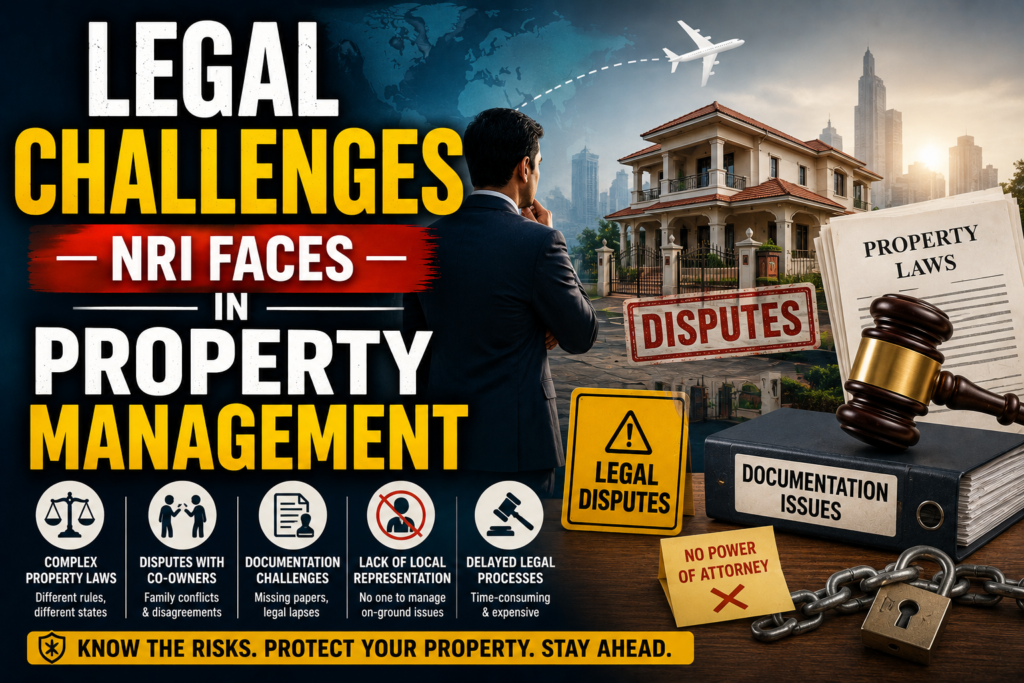
A property owner living overseas receives a call late in the evening. A tenant has suddenly vacated the property. Unresolved maintenance issues persist. Important paperwork cannot be located. The owner is asked to make urgent decisions, but the property is thousands of miles away. For many NRIs, this situation is more common than they would like to admit. Owning property in India often represents years of hard work, financial discipline, and emotional attachment. Whether it is a family home, a rental property, an inherited asset, or a long-term investment, managing it from another country comes with unique challenges. While maintenance concerns are anticipated, legal issues frequently surprise property owners. The reality is simple: distance does not create legal problems, but it can make it harder to identify and resolve. This is why Property Management Services in India have become increasingly valuable for NRI property owners seeking both oversight and peace of mind. The Legal Side of Property Ownership Most NRIs Overlook When people invest in property, they often focus on location, market value, rental returns, or future appreciation. Legal preparedness rarely receives the same level of attention. Many property-related disputes begin long before legal notice is issued. Incomplete ownership records, outdated documentation, missing approvals, or unclear title histories can remain unnoticed for years. The problem becomes visible only when an owner decides to sell, transfer, lease, or legally verify the property. NRIs often mistakenly think that if a property has been in the family for years, all the paperwork is in order. Unfortunately, ownership records may not always reflect reality. Changes in inheritance, succession, municipal records, or property registration details can create unexpected complications if they have not properly updated. Before any issue arises, property owners should periodically review: ● Title documents ● Registration records ● Property tax records ● Encumbrance certificates ● Inheritance-related documents ● Previous ownership records A small investment in legal verification today can prevent a much larger dispute tomorrow. When Distance Becomes a Property Management Challenge Managing property is easier when you can personally visit, inspect, and respond to issues as they arise. For NRIs, that option is often unavailable. What begins as a minor concern can remain unresolved for weeks or months simply because the owner is dependent on updates from others. Many property owners rely on relatives, neighbors, tenants, or local contacts for information. While their support is often well-intentioned, they may not always notice issues early or understand their potential consequences. Distance can affect: ● Property inspections ● Tenant management ● Maintenance supervision ● Legal follow-ups ● Documentation verification ● Compliance requirements Consider a simple example. A small water leakage issue develops during the monsoon season. Because nobody inspects the property regularly, the problem remains unnoticed. Several months later, structural damage appears, resulting in costly repairs and potential disagreements regarding responsibility. The issue itself was manageable. The delay was expensive. This is where property monitoring services play an important role by helping owners stay informed before situations escalate. When Minor Property Concerns Turn into Legal Complications Not every legal challenge starts in a courtroom. Many begin with small issues that receive little attention. One of the most common concerns for NRI property owners is unauthorized occupancy or encroachment. Vacant properties are particularly vulnerable because there is often limited physical oversight. A property may remain unattended for long periods. Neighbors may notice unusual activity, but nobody formally reports it. By the time the owner becomes aware of the situation, resolving it can be significantly more complicated. Tenant-related issues present another challenge. A rental agreement that seemed straightforward initially may later create confusion regarding the following: ● Occupancy terms ● Rent payments ● Security deposits ● Maintenance responsibilities ● Notice periods Without properly documented agreements, even routine disagreements can become difficult to resolve. Boundary disputes are another example. Something as simple as unclear property markings or neighboring construction activity can eventually lead to ownership disagreements if concerns are not addressed promptly. The lesson is straightforward. Small issues rarely become major problems overnight. They become major problems when nobody pays attention to them. Why Waiting for a Problem Is Often the Biggest Mistake Many property owners adopt a reactive approach. If nobody reports an issue, they assume everything is functioning smoothly. Unfortunately, legal and property-related concerns do not always provide warning signs. A tenant dispute may develop gradually. Documentation may become outdated without notice. Property taxes may require attention. Compliance requirements may change. An inherited property may remain unresolved because family members postpone important discussions. By the time a concern becomes obvious, the available solutions may be more complicated, time-consuming, and expensive. Successful property management is rarely about responding quickly to emergencies. It is about preventing avoidable emergencies in the first place. Regular property inspections, document reviews, tenant verification, and professional oversight help identify concerns before they become legal challenges. Many experienced investor’s view property management as risk management. That mindset often makes all the difference. What Every NRI Property Owner Should Know About Legal Protection Legal protection is not something that begins after a dispute arises. It begins with preparation. Every NRI property owner should maintain organized records and ensure that important documents remain accessible when needed. This includes: ● Property ownership records ● Rental agreements ● Tax receipts ● Utility records ● Maintenance records ● Legal correspondence Power of Attorney arrangements also require careful attention. Many NRIs authorize trusted individuals to handle property-related matters on their behalf. While this can simplify administration, it should never replace proper oversight. A well-structured power of attorney should clearly define responsibilities and authority while remaining consistent with current legal requirements. Tenant verification is equally important. Property owners should ensure that rental arrangements are documented properly and supported by appropriate records. Clear agreements reduce misunderstandings and provide a stronger foundation if disputes arise later. Seeking legal assistance for NRIs at an early stage often prevents situations from becoming unnecessarily complex. Staying Legally Prepared While Living Abroad Preparation does not require constant involvement. It requires consistency. Many successful NRI