
NRI property in India

Blogs

NRI’s Step-by-Step Guide to Claiming Inherited Property in India

When a parent or loved one passes away, property is often the last thing on your mind. You’re focused on family, responsibilities, and navigating an emotional period from thousands of miles away. Yet sooner or later, practical questions begin to surface. What happens to the family home? How do you transfer ownership? What documents are required? Can everything be managed from abroad? And perhaps most importantly, how do you ensure the property remains protected while the legal process unfolds? For many NRIs, inherited property is far more than a financial asset. It may be the home where your parents lived for decades, a property you’ve visited every summer growing up, or a family asset intended to be passed down through generations. While inheriting property in India is legally possible for NRIs, managing the process remotely often presents challenges that few people anticipate. This guide explains what NRIs need to know, the steps involved, and how to protect inherited property throughout the process. What Happens When You Inherit Property in India? The first thing to understand is that inheriting property and becoming the recognized owner of that property are not always the same thing. Even when there is a clear legal heir or a valid will, various records and formalities may need to be updated before ownership is fully reflected in official documents. The process typically involves: ● Identifying legal heirs ● Verifying ownership documents ● Completing inheritance formalities ● Updating government records ● Securing and maintaining the property The exact process depends on factors such as whether a will exists, the type of property, and the number of heirs involved. The Challenges NRIs Commonly Face Most inheritance-related articles focus on legal procedures. However, for NRIs, the bigger challenge is managing everything from another country. Distance Creates Delays Simple tasks that might take a few hours in person can take weeks when coordinated remotely. Property May Be Left Unattended Many inherited properties remain vacant while matters of ownership are being resolved. This creates risks such as: ● Maintenance issues ● Security concerns ● Unauthorized occupancy ● Property deterioration Documents Are Often Scattered Property records may be held by different family members, lawyers, or local authorities. Gathering everything can take time. Family Coordination Can Be Complicated When multiple heirs are involved, communication and decision-making may become more challenging. Understanding these realities helps NRIs prepare for the process ahead. Step 1: Understand Your Ownership Rights Before taking any action, establish how the property is being inherited. If There Is a Will A will outlines how the deceased intended their assets to be distributed. If a valid will exists, the inheritance process is usually more straightforward. If There Is No Will The property is distributed according to applicable succession laws. In such cases, multiple family members may have inheritance rights. Understanding your legal position early helps avoid confusion later. Step 2: Gather Essential Documents One of the first practical steps is collecting the documents required to establish inheritance rights. Commonly required documents include: ● Death certificate ● Property ownership documents ● Identity proof ● Address proof ● Legal heir documentation ● Will (if applicable) Many delays occur simply because documents are incomplete or difficult to locate. Creating a checklist and organizing records early can save significant time later. Step 3: Verify the Property Records Before proceeding with ownership transfer, review the property’s existing records carefully. Questions worth asking include: ● Is the property title clear? ● Are property taxes up to date? ● Are utility bills current? ● Are there any pending disputes? ● Is the property occupied or vacant? This step often reveals issues that may need attention before ownership can be fully transferred. Step 4: Complete the Necessary Legal Formalities Depending on the circumstances, additional legal requirements may apply. These may include: ● Legal heir verification ● Succession-related documentation ● Probate requirements in certain cases ● Supporting affidavits and declarations Requirements vary depending on the situation and location of the property. Seeking professional guidance can help ensure the process is completed correctly. Step 5: Update Ownership Records Once inheritance rights have been established, the next step is updating official records. This process is commonly referred to as mutation. Why Mutation Matters Many families assume that once inheritance is established, the process is complete. However, updating records is important because it: ● Reflects current ownership ● Simplifies future transactions ● Supports tax payments ● Helps avoid future ownership disputes Think of it as ensuring the paperwork catches up with reality. Step 6: Update Utility and Municipal Records After ownership records are updated, other associated records should also be reviewed. These may include: ● Property tax accounts ● Electricity connections ● Water connections ● Society records ● Maintenance records Keeping these records current helps prevent administrative complications later. Step 7: Don’t Ignore the Property Itself This is the stage where many NRIs make costly mistakes After completing legal formalities, they assume the property is secure simply because ownership has been transferred. Unfortunately, ownership does not automatically protect a property. A house that remains vacant for months can develop problems that are not visible on paper. These may include: ● Water seepage ● Structural deterioration ● Pest infestations ● Unauthorized access ● Security issues The longer a property remains unattended, the greater the potential risk. What Many NRIs Forget After Inheriting Property The legal process receives most of the attention. Property protection often receives very little. Consider a common scenario. An NRI inherits a family home after the passing of a parent. The ownership transfer takes several months. During that time: ● No one checks the property regularly. ● A plumbing issue develops. ● Utility bills go unnoticed. ● Maintenance is delayed. ● The property’s condition gradually declines. By the time the owner visits India, a manageable issue has become an expensive one. This is why inheritance should not only be viewed as a legal process. It should also be viewed as a property protection responsibility. Why Property Management Matters After Inheritance Whether you

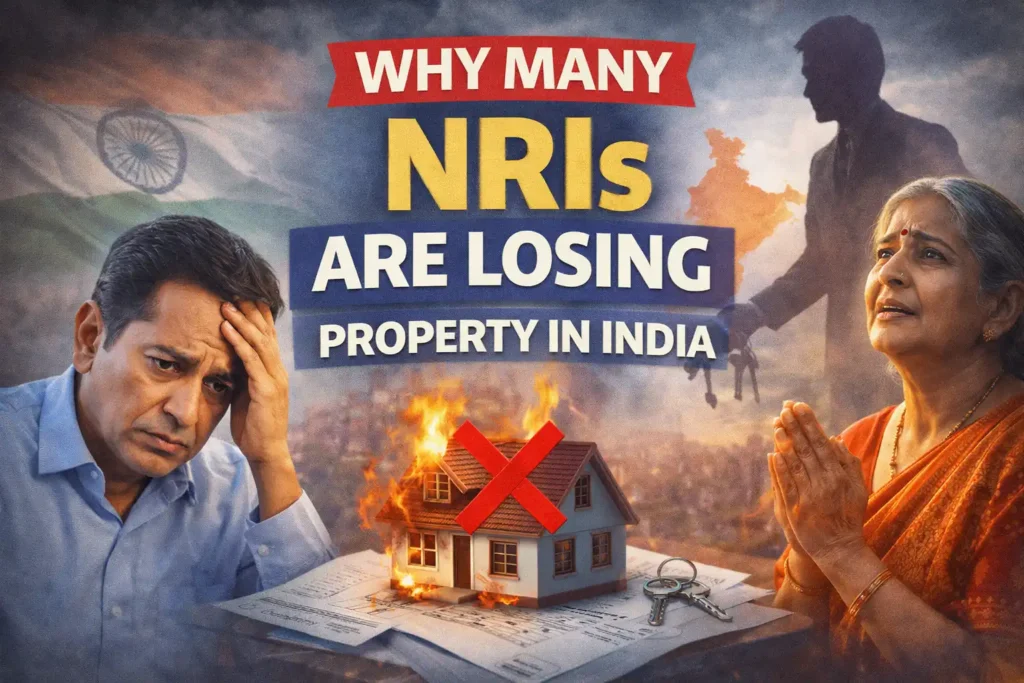
Why NRIs are losing property in India
Blogs

Why NRIs Are Losing Property in India (And How to Protect Yours)

For many Non-Resident Indians (NRIs), property in India is more than just an investment — it’s an emotional connection to home, family, and future security. But here’s the reality most NRIs don’t talk about: Thousands of NRIs are silently losing control of their property in India. From illegal occupation and tenant disputes to fraud, document misuse, and legal complications, the risks are real, and they are increasing. The good news?With the right steps, you can fully protect your property even while living abroad. This guide explains: Why NRIs are losing property Real risks you must understand Practical steps to secure your property The Growing Problem: Why NRI Properties Are at Risk Owning property remotely creates visibility and control gaps. Most problems start because: The owner is not physically present There is no structured management system Decisions are based on trust, not verification Over time, this leads to serious financial and legal consequences. Top Reasons NRIs Are Losing Property in India 1. Illegal Occupation & Encroachment One of the biggest threats is unauthorized occupation. Vacant properties are especially vulnerable to: Local encroachment Unauthorized tenants Misuse by caretakers Once occupied, eviction can take months or even years. 2. Trusting the Wrong People Many NRIs rely on: Relatives Friends Local brokers Without proper legal structure, this can lead to: Mismanagement Financial misuse Unauthorized decisions Trust without documentation is risk. 3. Weak or Missing Legal Documentation Poor documentation is a major issue. Common problems include: Unregistered agreements Outdated property records Missing ownership clarity Improper Power of Attorney These gaps can be exploited easily. 4. Tenant Disputes & Rental Issues Tenants can become a major risk if not managed properly. Problems include: Non-payment of rent Refusal to vacate Property damage Legal complications Without a strong agreement, eviction becomes difficult. 5. Lack of Regular Monitoring Properties left unchecked for long periods face: Structural damage Water leakage issues Illegal use Decline in property value NRIs who visit India once every few years often discover issues too late. 6. Fraud & Property Scams Property fraud targeting NRIs is increasing. Common scams: Fake sale agreements Forged signatures Illegal resale attempts Duplicate ownership claims These cases can become complex and time-consuming legally. 7. Ignoring Tax & Legal Compliance Many NRIs ignore: Property tax payments Income tax on rental income TDS rules on sale Society dues This can lead to penalties, disputes, and blocked transactions. Real Impact: What NRIs Actually Lose When property is mismanaged, NRIs can lose: Rental income Property value Legal ownership control Time and money in court cases Peace of mind In worst cases, recovery becomes extremely difficult. How to Protect Your Property in India (Step-by-Step) Now let’s focus on the most important part — protection. 1. Appoint a Professional Property Management Service This is the most effective solution. A reliable Property Management Service in India provides: Regular inspections Tenant handling Maintenance management Legal coordination Monthly reports with proof This removes dependency on informal systems. 2. Use a Legally Valid Power of Attorney (POA) A properly drafted POA ensures: Authorized representation Legal clarity Smooth transactions Make sure: POA is notarized abroad Attested by Indian Embassy Registered in India 3. Keep All Property Documents Updated Maintain: Title deed Sale agreement Tax receipts Encumbrance certificate Digital copies should also be stored securely. 4. Do Strict Tenant Verification Before renting: Verify identity and background Conduct police verification Draft a strong legal agreement Avoid verbal or informal arrangements. 5. Schedule Regular Property Inspections Even if managed professionally: Inspect every 3–6 months Check structural condition Monitor usage Prevention is always cheaper than repair. 6. Use Digital Monitoring & Reporting Modern property management includes: Photo/video updates WhatsApp/email reporting Online rent tracking Transparency ensures control from abroad. 7. Stay Compliant with Taxes & Laws Ensure: Property tax is paid on time Rental income is declared TDS rules are followed Legal records are updated Compliance prevents future legal issues. 8. Avoid Leaving Property Vacant for Long Vacant property = high risk If possible: Rent it outOR Maintain regular supervision Occupied properties are generally safer. What Is the Safest Strategy for NRIs? The safest approach includes: ✔ Professional management✔ Legal documentation✔ Regular monitoring✔ Financial transparency✔ Compliance with tax laws This combination ensures complete protection and long-term value growth. Warning Signs You Should Not Ignore If you notice any of these, take immediate action: No updates about your property Delayed rent payments Unknown people using property Missing documents Sudden legal notices Ignoring early signs leads to bigger problems. FAQs Why do NRIs lose property in India? Due to lack of monitoring, poor documentation, and over-reliance on informal management. Is property management necessary for NRIs? Yes. It significantly reduces risk and ensures proper handling. Can NRIs protect property without visiting India? Yes, with proper systems like POA and professional services. Is it risky to keep property vacant? Yes. Vacant properties are more prone to encroachment and misuse. Final Thoughts Owning property in India should be a valuable asset not a hidden risk. The truth is simple: If your property is unmanaged, it is vulnerable.If it is structured and monitored, it is secure. NRIs who take proactive steps today can: Protect their investment Generate stable income Avoid legal complications Maintain long-term value Your property deserves attention even from miles away. Protect Your Property in India Even While Living Abroad If you’re an NRI, your property in India should be a secure asset not a constant worry. Our professional Property Management Services in India are designed to help you stay in control, no matter where you live. From tenant handling and maintenance to legal coordination and regular reporting, we ensure your property is protected at every step. With our specialized NRI services, you don’t need to depend on relatives, brokers, or guesswork. You get complete transparency, structured management, and peace of mind.

Scroll to Top
Call Now Button